williamjohnson767's pick · Updated August 2026
The 48 Laws of Power
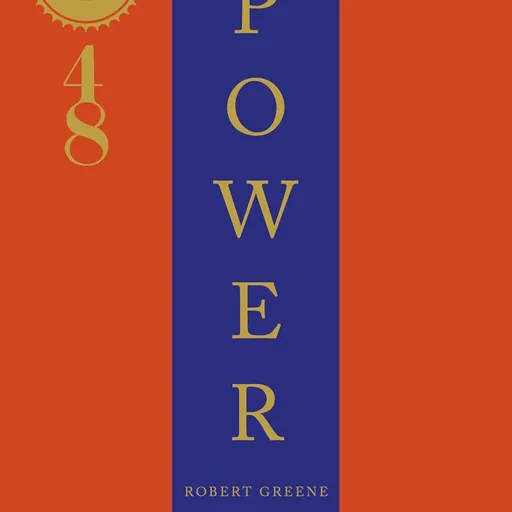
The 48 Laws of Power is a better fit for readers who want to think carefully about influence, status, and strategy than for readers who want a simple self-help book. It tends to appeal to people who are curious about workplace politics, negotiation, persuasion, and the less comfortable parts of ambition. If a reader wants a book that maps how power works in social settings, this is the kind of title that may be worth a closer look.
A big reason people consider it is that it does not pretend power is tidy or purely moral. The book is built around short laws, historical examples, and a style that pushes the reader to notice patterns rather than rely on wishful thinking. That can make it useful as a reference when someone wants to compare tactics, read a few pages at a time, or revisit a specific idea before a meeting, interview, or difficult conversation. It is also the sort of book that can spark discussion because it does not flatter the reader with easy answers.
The main tradeoff to verify is whether the book's approach matches the reader's goals. Some people will find the advice practical and clarifying. Others may feel that its tone is too hard-edged, too cynical, or too focused on manipulation for everyday use. It is worth checking whether the reader wants a guide to ethical influence, a historical lens on power, or simply a provocative book that challenges comfortable assumptions. Those are different needs, and this title leans hard into one of them.
The evidence posture here should stay simple: this is a widely discussed book with a strong reputation and a very distinct point of view, but the right fit depends on how the reader reacts to that point of view. Reviews, sample pages, and the table of contents can tell a lot about whether the style will land. A quick look at a few laws is usually enough to tell whether the book feels useful, abrasive, or both.
For readers who want a direct, strategy-minded book that treats power as something to study rather than ignore, this may fit well. For readers who want a softer or more idealistic framework, it may be the kind of book to approach with caution. The best use case is someone who wants a serious, debatable book that rewards reflection and does not try to make power sound polite.
Amazon product links on this guide are not currently affiliate links. Neither williamjohnson767 nor Buyer Field Guide earns an affiliate commission from them.
See current price